
Decoding the Sustainable Fish Business Model

Diving into the world of fish farming, I quickly realized it’s not just about tossing fish into a pond and waiting for them to grow. There’s a whole ecosystem of strategies, challenges, and opportunities that make this venture both exciting and rewarding. If you’ve ever wondered how to turn a simple fish pond into a thriving business, you’re in the right place. Today, I’m going to share my journey and insights into what makes the sustainable fish business model tick, and why it’s becoming a game-changer for many entrepreneurs.
Understanding the Sustainable Fish Business Model
When I first heard about the sustainable fish business model, I thought it was just about eco-friendly practices. But it’s so much more than that. It’s about creating a system where fish farming not only generates profit but also preserves the environment and supports local communities. This model focuses on responsible resource use, minimizing waste, and ensuring the fish are healthy and safe for consumption.
What makes it sustainable? It’s the balance between economic viability and environmental stewardship. For example, instead of relying heavily on chemical feeds or antibiotics, sustainable fish farmers use natural feed alternatives and maintain water quality through smart pond management. This approach reduces pollution and keeps the ecosystem healthy.
One of the things I love about this model is how it encourages innovation. Farmers experiment with integrated systems like combining fish farming with agriculture or using renewable energy sources to power their operations. These practices not only cut costs but also open up new revenue streams.

Healthy fish swimming in a well-maintained sustainable pond
Why Choose a Sustainable Fish Business Model?
You might ask, why bother with sustainability when traditional fish farming methods seem easier and cheaper? Well, here’s the thing - sustainability is the future. Consumers today are more conscious about where their food comes from and how it’s produced. They want assurance that their fish is safe, nutritious, and farmed responsibly.
From my experience, adopting a sustainable fish business model can lead to higher market value for your products. Buyers are willing to pay a premium for fish that are free from harmful chemicals and raised in eco-friendly conditions. Plus, sustainable practices often mean better fish health, which translates to lower mortality rates and higher yields.
Another big plus is the long-term viability of your business. Overfishing and environmental degradation have put wild fish stocks under pressure. By farming fish sustainably, you’re helping reduce this strain and ensuring your business can thrive for years to come.
If you’re thinking about starting or scaling your fish farming venture, consider these practical tips:
Invest in water quality management: Regularly test and maintain optimal water conditions.
Use natural or organic feed: Explore options like plant-based feeds or insect protein.
Implement integrated farming: Combine fish farming with crops or livestock to maximize resource use.
Engage with local communities: Build relationships that support knowledge sharing and market access.
How much profit is in 1 acre fish farming?
Now, let’s get down to the numbers because, honestly, that’s what most of us want to know. How much can you really make from 1 acre of fish farming?
Based on my research and conversations with fellow fishpreneurs, the profit margins can be quite impressive if managed well. On average, 1 acre of well-maintained fish pond can yield anywhere between 2,000 to 5,000 kilograms of fish per cycle, depending on the species and farming techniques used.
For instance, if you farm tilapia or catfish, which are popular choices, the market price can range from INR 150 to INR 250 per kilogram. Doing the math, that’s a potential revenue of INR 3,00,000 to INR 12,50,000 per cycle. After deducting costs like feed, labor, and maintenance, the net profit can still be substantial.
Here’s a simplified breakdown:
| Item | Cost/Revenue (INR) |
|----------------------|--------------------------|
| Fish production (kg) | 3,000 |
| Market price/kg | 200 |
| Total revenue | 6,00,000 |
| Feed and inputs | 2,00,000 |
| Labor and overhead | 1,00,000 |
| Net profit | 3,00,000 |
Of course, these figures vary based on location, fish species, and farming methods. But the key takeaway is that with proper planning and sustainable practices, fish farming on 1 acre can be a lucrative business.
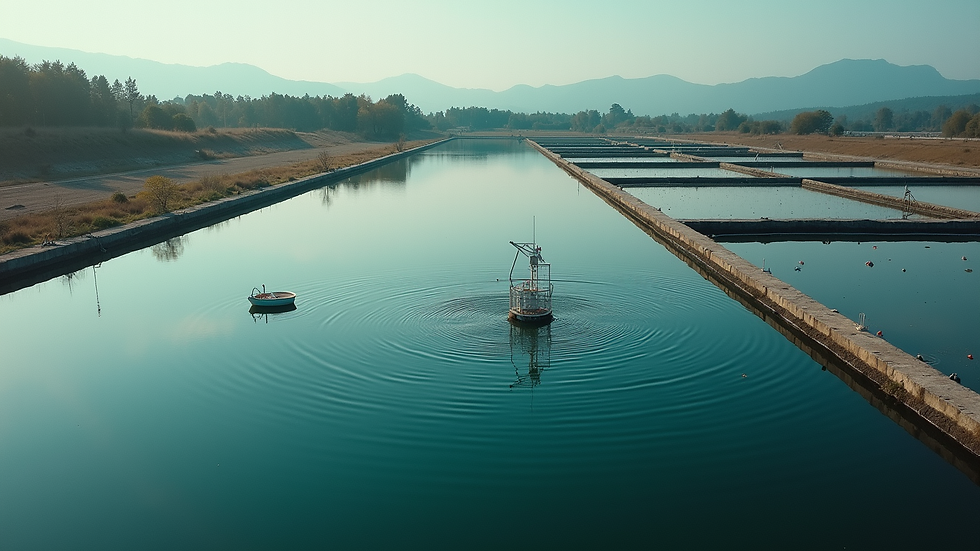
Fish pond equipped with aerators to maintain oxygen levels
Practical Steps to Start Your Fish Farming Venture
Starting a fish farming business might seem daunting, but breaking it down into manageable steps makes it much easier. Here’s what I recommend based on my own experience and what I’ve learned from others:
Research and Planning
Understand the local market demand, fish species suitable for your area, and the regulatory requirements. Planning your pond size, water source, and budget upfront saves headaches later.
Site Selection and Pond Construction
Choose a location with good water availability and soil that retains water well. Construct your pond with proper depth and slope to facilitate easy harvesting and maintenance.
Stocking Fingerlings
Source healthy fingerlings from reputable hatcheries. Stocking density depends on the species and pond size but avoid overcrowding to reduce stress and disease.
Feeding and Water Management
Feed your fish regularly with balanced nutrition. Monitor water quality parameters like pH, dissolved oxygen, and temperature to keep fish healthy.
Disease Prevention and Control
Maintain hygiene, avoid overfeeding, and quarantine new stock to prevent disease outbreaks. Early detection and treatment are crucial.
Harvesting and Marketing
Harvest fish at the right size for your target market. Build relationships with buyers, restaurants, or local markets to ensure steady sales.
Starting small and scaling gradually allows you to learn and adapt without risking too much capital upfront.
Embracing Technology and Innovation in Fish Farming
One of the most exciting parts of this journey has been seeing how technology is transforming fish farming. From automated feeders to water quality sensors, these tools make managing ponds easier and more efficient.
For example, I’ve come across farmers using solar-powered aerators that keep oxygen levels optimal without adding to electricity bills. Others use mobile apps to track feeding schedules and monitor fish growth remotely. These innovations not only save time but also improve fish health and yield.
Another trend is the use of recirculating aquaculture systems (RAS), which recycle water within the system, drastically reducing water usage and environmental impact. While the initial investment is higher, the long-term benefits in sustainability and productivity are worth considering.
If you’re tech-savvy or open to learning, integrating these innovations can give your fish farming business a competitive edge.
Why I Believe in the Fishpreneur Business Model
After spending time with various fish farmers and experimenting myself, I can confidently say that the fishpreneur business model is a blueprint for success in this sector. It’s about being an entrepreneur who understands fish farming not just as agriculture but as a dynamic business that requires creativity, resilience, and a commitment to sustainability.
This model encourages you to think beyond just production. It pushes you to innovate, build networks, and create value-added products like smoked fish or fish feed. It’s a mindset that blends passion with pragmatism.
If you’re ready to dive in, remember that every big fish farm started with a single pond and a dream. With the right approach, you can turn your fish farming venture into a thriving, sustainable business that benefits you and your community.
Taking the Plunge: Your Next Steps in Fish Farming
So, what’s next? If you’re inspired to start or improve your fish farming business, here are some actionable steps to get going:
Connect with local fish farming groups or cooperatives to learn from experienced farmers.
Attend workshops or online courses on sustainable aquaculture practices.
Start small with a pilot pond to test your skills and market.
Keep detailed records of your inputs, outputs, and finances to track progress.
Stay curious and adaptable – fish farming is a learning journey.
Remember, success in fish farming doesn’t happen overnight. It takes patience, dedication, and a willingness to learn from both successes and failures. But with the sustainable fish business model as your guide, you’re well on your way to making a splash in this exciting industry!


Comments